Africa’s Growth at Risk Despite Strong Rebound — AfDB Warns
Debt pressures, global tensions and financial volatility threaten gains as continent outpaces global growth

Nelson Emmanuel
April 6, 2026 • 2 min read
AI Smart Brief
Get a quick 3-point summary of this article powered by Gemini.
A new report by the African Development Bank (AfDB) has cautioned that Africa’s recent economic gains remain fragile, warning that rising debt, geopolitical tensions, and global financial instability could derail progress.
According to the report, while African economies have shown resilience and strong recovery, persistent debt distress continues to strain government finances, limiting spending on critical sectors such as infrastructure, healthcare, and education.
“Debt vulnerabilities remain elevated, constraining fiscal space and diverting resources away from social and productive investment,” the report noted, adding that inflation—though easing—still erodes the purchasing power of millions across the continent.
The AfDB also flagged geopolitical conflicts, trade fragmentation, and climate shocks as major risks to exports, investment flows, and regional stability, stressing that managing these challenges is crucial to sustaining growth.
Despite these concerns, Africa recorded impressive economic performance in 2025, with real GDP growth rising to 4.2 percent, up from 3.1 percent in 2024—surpassing the global average.
Growth was broad-based, with 22 countries expanding by more than 5 percent and six economies exceeding 7 percent, driven by improved macroeconomic policies, easing inflation, and favourable agricultural output.
Looking ahead, growth is projected to stabilise at 4.3 percent in 2026 and increase further to 4.5 percent in 2027. Notably, 12 of the world’s 20 fastest-growing economies in 2025 were African.
East Africa maintained its position as the continent’s fastest-growing region, recording 6.4 percent GDP growth, led by strong performances from Ethiopia (9.8%), Rwanda (7.5%), and Uganda (6.4%).
However, gains in GDP per capita remain modest, rising to 1.9 percent in 2025—still insufficient to drive rapid poverty reduction.
Encouragingly, inflation declined to an estimated 13.6 percent in 2025 from 21.8 percent in 2024, with further easing expected. Foreign direct investment also rebounded strongly, surging by over 75 percent in 2024 to $97 billion.
Remittances remained a key lifeline, increasing by more than 14 percent to $104.6 billion, making them the largest source of external non-debt financing—surpassing foreign portfolio investments.
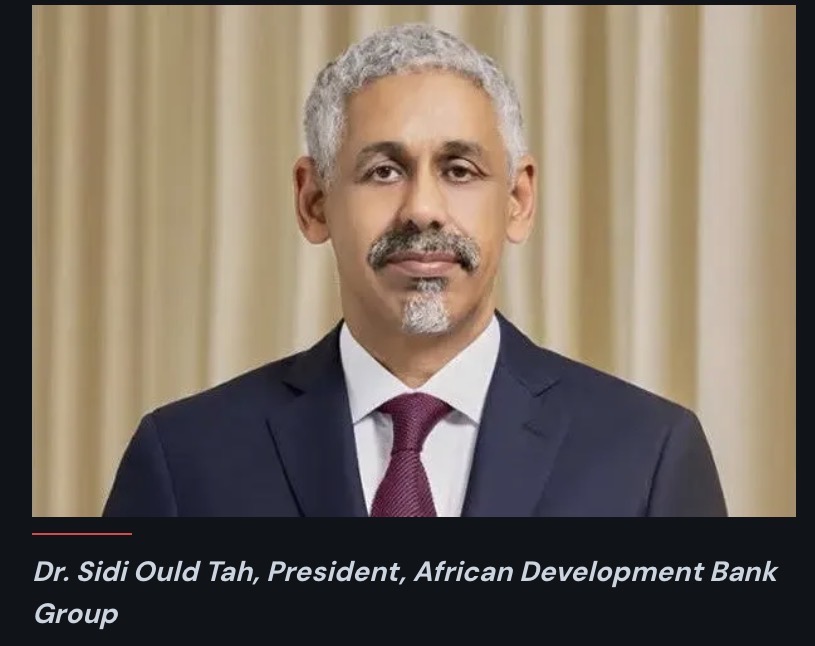
Speaking at the report’s launch, AfDB President Sidi Ould Tah described the current global environment as challenging, noting that shifting geopolitical dynamics and declining development finance flows could impact the continent’s outlook.
Meanwhile, Chief Economist Kevin Urama expressed cautious optimism, stating that Africa has demonstrated resilience in past crises.
“Africa has held strong in previous shocks and has the capacity to bounce back, provided the right policies are implemented,” he said, adding that prolonged global tensions could slightly reduce growth by about 0.2 percentage points in 2026.
The report ultimately underscores the need for prudent policymaking to safeguard Africa’s recovery and sustain its growth momentum in an increasingly uncertain global environment.
Comments (0)
No comments yet. Be the first to share your thoughts!